Ultimate Travel Guide to Kashgar in Xinjiang, China
Kashgar China At a Glance
- Chinese Name: 喀什 (Kāshí) or 喀什噶尔 (Kāshígé’ěr)
- Uyghur Name: قەشقەر
- Population: Approximately 1,000,000
- Transportation: Kashgar China has an international airport, train station and bus service.
- Trivia: Kashgar was a stand-in for Afganistan in the movie Kite Runner
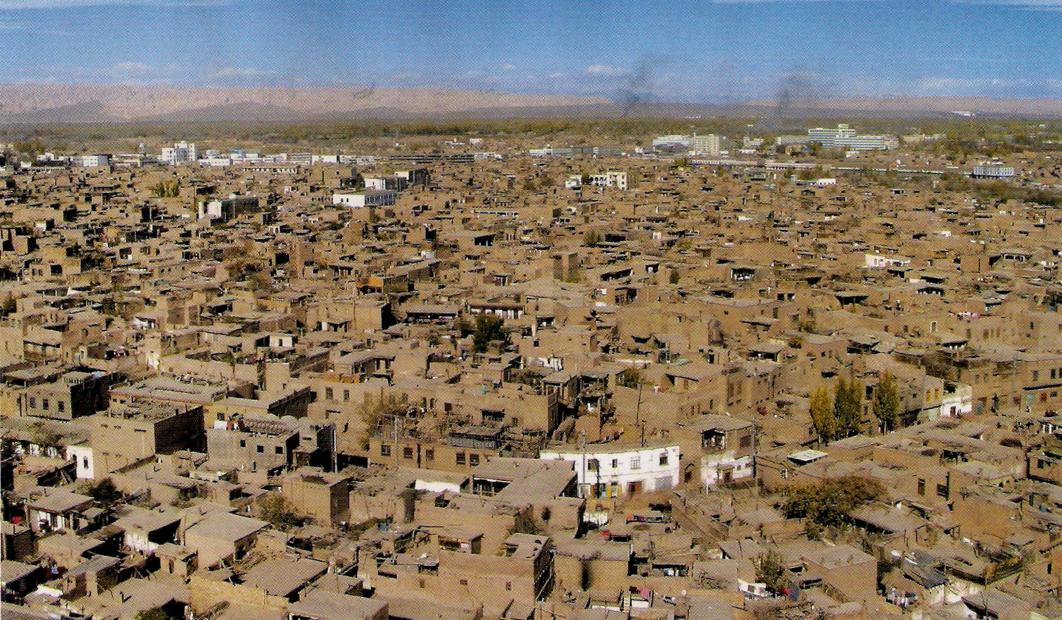
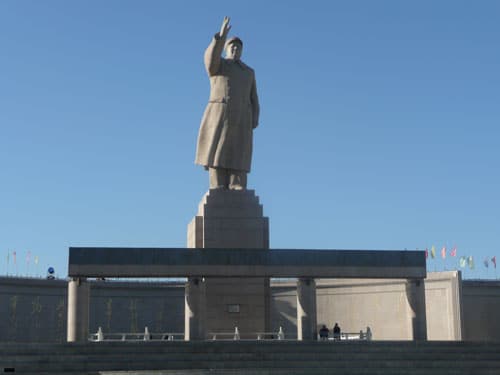
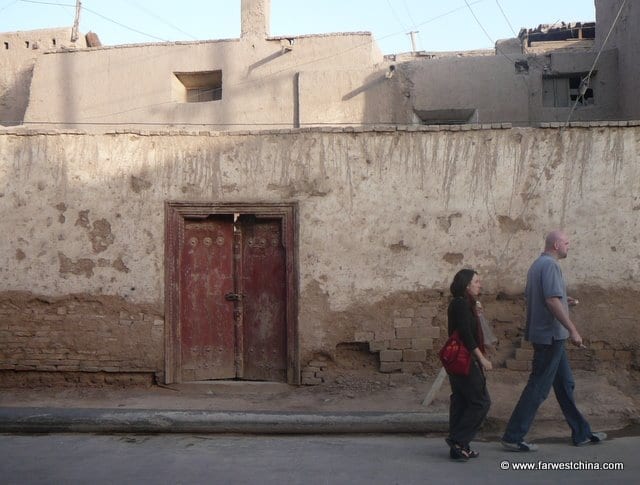
Visiting Kashgar, China is a chance to travel back in time more than a century. It is a city that epitomizes life during the times of the Silk Road caravans and Great Game struggles despite all of the recent Chinese modernization. Walking the small, mud-brick alleyways of the Old Town is an exciting adventure (even though a good portion of the Old Town is being destroyed) and the area surrounding Kashgar has a lot to offer.
It is possible to ride a camel in the Taklamakan Desert one day and then be traveling up the Karakoram Highway to the high-altitude pass between China and Pakistan. If at all possible, Kashgar is one city that you must visit during your travels around Xinjiang.Because of its location at the foot of a major mountain pass (not the Karakoram Highway heading into Pakistan) and along the edge of the world’s 2nd largest desert (the Taklamakan), Kashgar was an important hub of activity for Silk Road merchants. Throughout the centuries, power shifted between many groups including the Mongol, Han and Uyghur people.
–> Traveling to Kashgar? <–
Check out the FarWestChina Xinjiang Travel Guide!
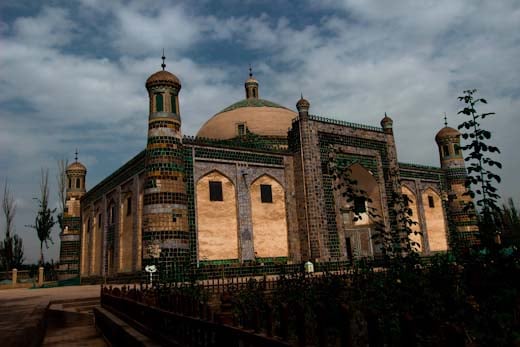
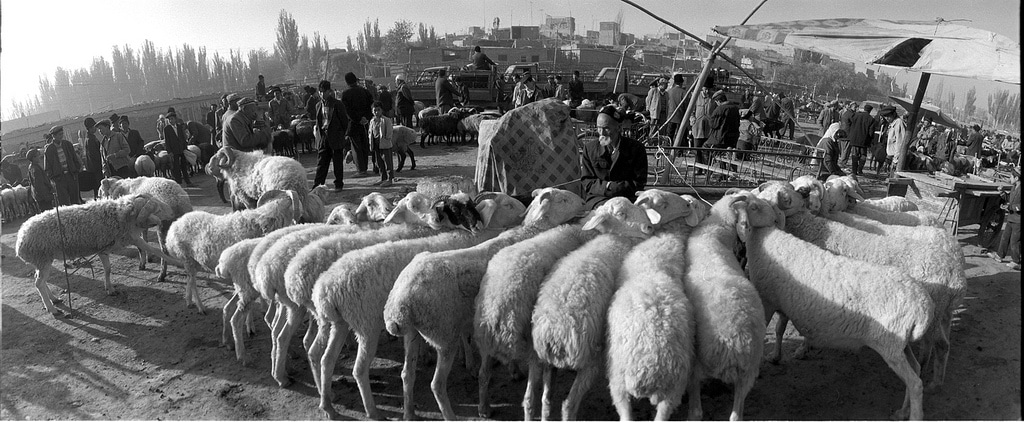
Kashgar has been a favorite of many travelers for over 100 years, dating back to ancient explorers like Sven Hedin and Albert von Le Coq. It offers great scenery – access to both the mountains and the desert – as well as many interesting sites to see. Walk through the alleys of the Old Town, visit the Apak Khoja Mausoleum to hear the fascinating story of the Fragrant Concubine, visit the famous Sunday market and of course take a tour of the Id Kah Mosque, the largest mosque in all of China.
Once you venture outside the city limits, you can visit the ancient stone city near Tashkorgan, the newly-discovered Shipton Arch, and the city of Yengisar – home of the famous Uyghur knives.
You could easily spend a week in Kashgar alone, but it’s possible to enjoy most of what the city has to offer in 3-4 days (not including the Karakoram Highway). Make sure to save enough time for Kashgar in your itinerary!
Useful Kashgar China Links

Kashgar Hotels
– Chini Bagh Hotel: recently renovated
– Taiyuan International: center of town
– Seman Hotel: an old favorite
Kashgar Hostels:
– Old Town Hostel: highly recommended
– Pamir Hostel: equally recommended
Kashgar Destinations at a Glance

Kashgar’s Id Kah Mosque
Kashgar’s most popular site and China’s largest mosque.

Kashgar’s Old City
Step back in time and enjoy dirt alleys and mud-brick homes.

The Apak Khoja Mausoleum
Home of the famous Fragrant Concubine and other great stories.
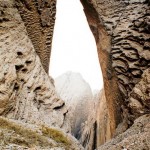
Shipton’s Arch
A natural phenomenon only recently rediscovered.
Transportation to/from Kashgar, China
Flying to/from Kashgar, China

You can fly the following routes to/from Kashgar (often referred to as “Kashi” for booking sites):
- Kashgar to Urumqi Flights
- Kashgar to Beijing Flights
- Kashgar to Xi’an Flights
- Kashgar to Chengdu Flights
- Kashgar to Yining Flights

Taking the Train to Kashgar

Trains, on the other hand, are not only a cost-effective way to travel to Kashgar, but they also allow you to see much of the south Xinjiang countryside. Make good use of the train schedule below to help plan your trip to Kashgar.
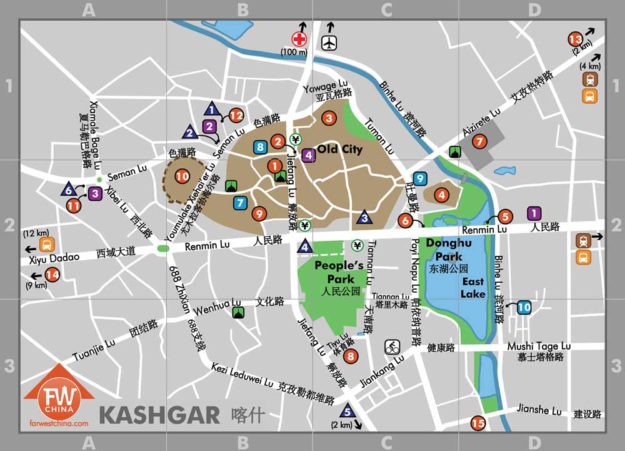
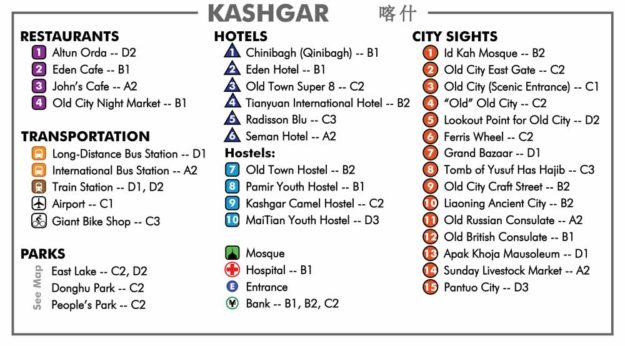
Kashgar City Map
Below is a 2017 city map of Kashgar. If you would like a higher resolution map to download and bring with you on your trip, consider purchasing the FarWestChina Xinjiang Travel Guide or just the Kashgar Chapter. Thank you for your support!